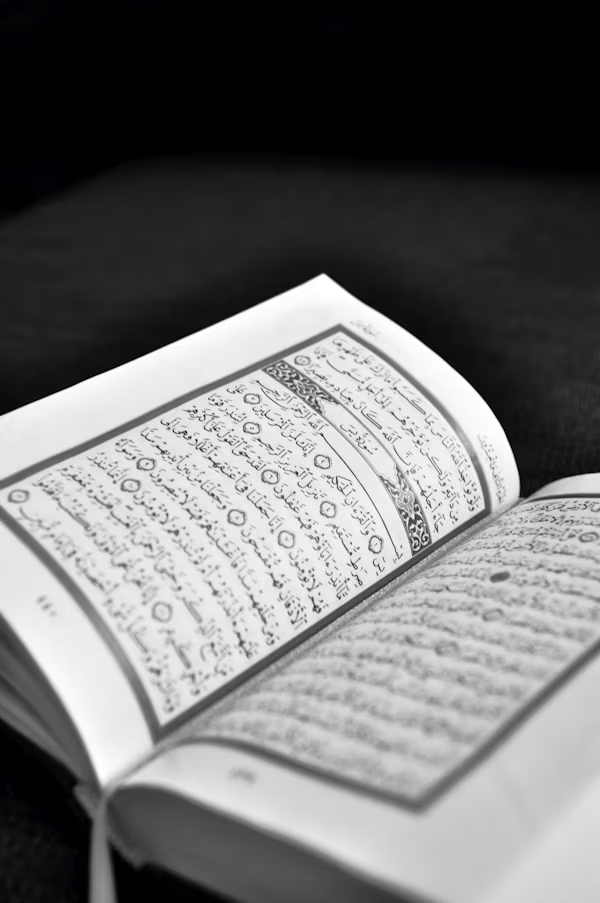
Sharia Law compared to Biblical Law.
Here are the top 10 laws of Sharia:
Core Components of Sharia Law
- Salah (Prayer): Obligatory prayer five times daily.
- Sawm (Fasting): Fasting during the month of Ramadan.
- Zakah (Charity): Compulsory giving of 2.5% of accumulated wealth to the needy.
- Hajj (Pilgrimage): The pilgrimage to Makkah required once in a lifetime if able.
- Halal/Haram Dietary Laws: Eating only permissible food (halal) and abstaining from prohibited items (haram) like pork and alcohol.
- Family Law (Marriage/Divorce): Regulations covering marriage contracts, inheritance, and divorce procedures.
- Financial Ethics (Riba/Qimar): Prohibition of interest-based transactions (riba) and gambling (qimar).
- Hudud Penalties (Criminal Law): Fixed punishments for specific crimes, including theft (amputation of the hand) and adultery (whipping or stoning).
- Personal Purity/Hygiene: Regulations on bodily cleanliness, including purification after sexual acts and during menstrual cycles.
- Jihad (Striving): The struggle for the faith, which includes, but is not limited to, the rules of just war.
Note that this starts with the work of man and does not deal with the authority or status of Allah.
The Ten Commandments (Traditional Summary)
- You shall have no other gods before me.
- You shall not make for yourself an idol.
- You shall not misuse the name of the Lord your God.
- Remember the Sabbath day and keep it holy.
- Honor your father and your mother.
- You shall not murder.
- You shall not commit adultery.
- You shall not steal.
- You shall not bear false witness against your neighbor.
- You shall not covet your neighbor’s house, wife, or property.
Note the first four commands establishes GOD’s status and authority over man and His creation. The last six commands deal with man’s relationship with his fellow man. Jesus (a great Prophet according to Mohammed and the Quran) summarizes the Ten Commandments by saying; “You shall love the LORD your GOD with all your heart, soul, mind and strength, and your neighbor as yourself.”
The distinction between the two ideologies is that under the Quran, one must do works to be approved, and it is all related to man and what he does. Under the other, GOD is the primary authority, and He is restraining evil behavior and encouraging good behavior as He defines it. Under the Quran, man is most important, and under the Bible, GOD is the most important.
Under the Quran, one is compelled, under the Bible one is inspired. Under Islam, one is subject to external pressures, and under the Bible, one is subject to the work of the HOLY SPIRIT working internally. Under the Quran, it is man centered, and under the Bible, it is GOD centered.
The work of man will never = the work of GOD. Additionally, as this writer understands it, there is no teaching in the Quran like Jesus offers; “Do unto others as you would have them do unto you.” Not only that, but as this writer understands it, the Quran allows for treating others (non Islamic) differently, and that includes being able to lie to unbelievers – infidels!
As a last note, one must be aware that both the Islamic Quran and the Bible call for proselytizing the religion and in so doing, bringing about conversions to the respective religion. The distinction between the two is that the former is by compulsion and threat of death, and the other is by peaceful and friendly persuasion.
Pensiamento Peligroso

 Break The Matrix
 Children's Health Defense
 Dan Bongino – The Dan Bongino Show
 Dr. Dave Janda
 Dr. David Martin
 For The Love of Freedom
 G. Edward Griffin – Need To Know News
 Greg Hunter USA Watchdog
 Jack Kettler – Underground Notes
 James Corbett – The Corbett Report
 John Stossel – Fox Business
 Luke Rudowski – We Are Change
 McAlavany Commentary
 Mercola
 Mike Adams – Natural News
 Mike Rivero – What Really Happened
 Paul Cameron – Family Research Institute
 Paul Craig Roberts – Institute for Political Economy
 Paul Joseph Watson
 Peter Schiff – Schiff Radio
 Ron Paul – Campaign for Liberty
 Stefan Molyneux – Freedom Radio
 The New American Magazine
 Thomas Sowell
 VisualPolitik EN
 aceloewgold
 pensiamentopeligroso
 Touch Stone Connect